2 April 2026
Building a subsidy annex without drowning in duplicate receipts
Agencies reject packs for redundancy as often as for missing proof. Here is how we sequence annexes so each receipt earns its place.
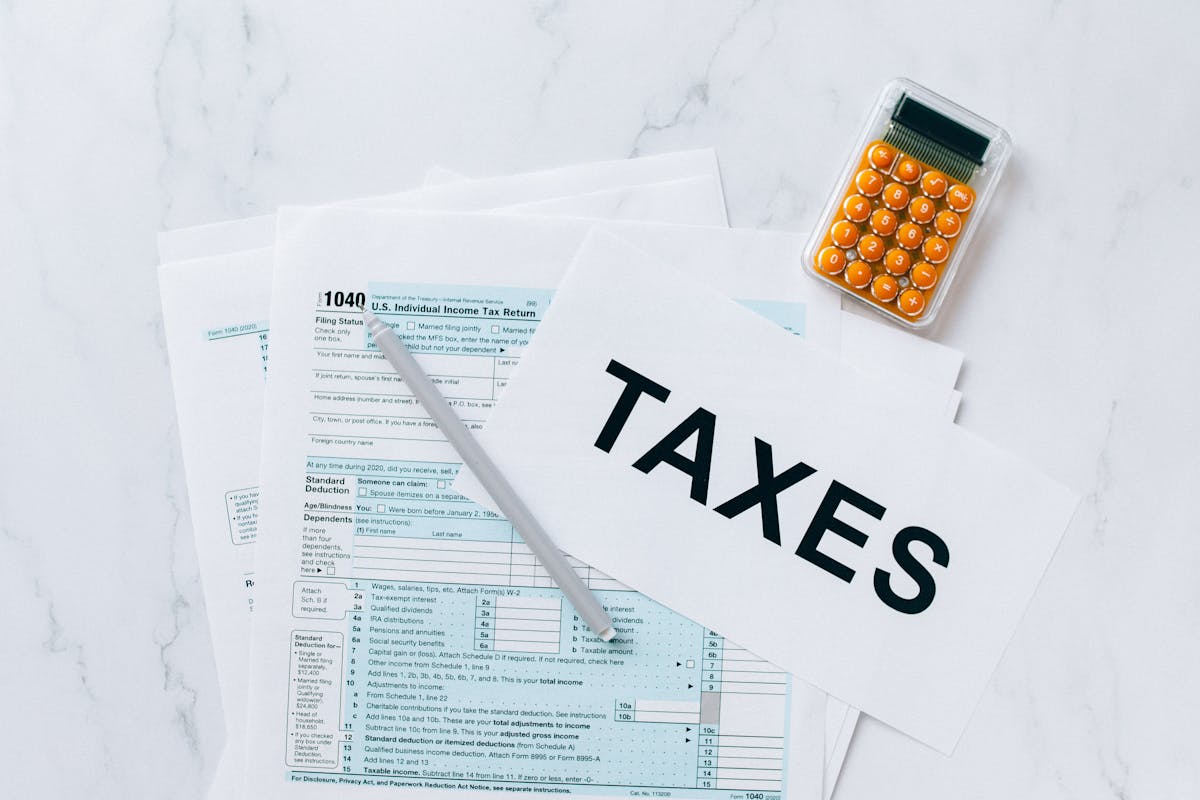
Subsidy officers in Taiwan are not looking for volume. They want a trail that a second reader can follow without opening five folders for the same purchase. Duplicate receipts—one in the narrative annex, one in the cost schedule, one in an email printout—create doubt rather than confidence.
Our desk uses a three-layer annex: (1) a one-page cost map that lists each eligible item once, (2) the primary receipt or invoice behind that line, and (3) a thin supporting folder only when a receipt needs a contract excerpt or delivery note. Everything else stays out of the filing pack.
Before you scan, write the cost-map line number lightly on each receipt. That tiny mark saves hours when an officer asks why line 7 differs from the bank transfer. It also stops the habit of attaching every email in the purchase thread.
If your program requires bilingual labels, keep Chinese field names on the cost map and English descriptions only where the agency form already asks for them. Mixing languages mid-annex is a common reason packs bounce for 'unclear supporting materials.'